Need polyaspartic floor coating services in Pearland?
Tell us about your floor, its condition, and your plans. Request a callback to check provider availability, or use the request form.
No obligationEpoxy floor coating connections in Pearland
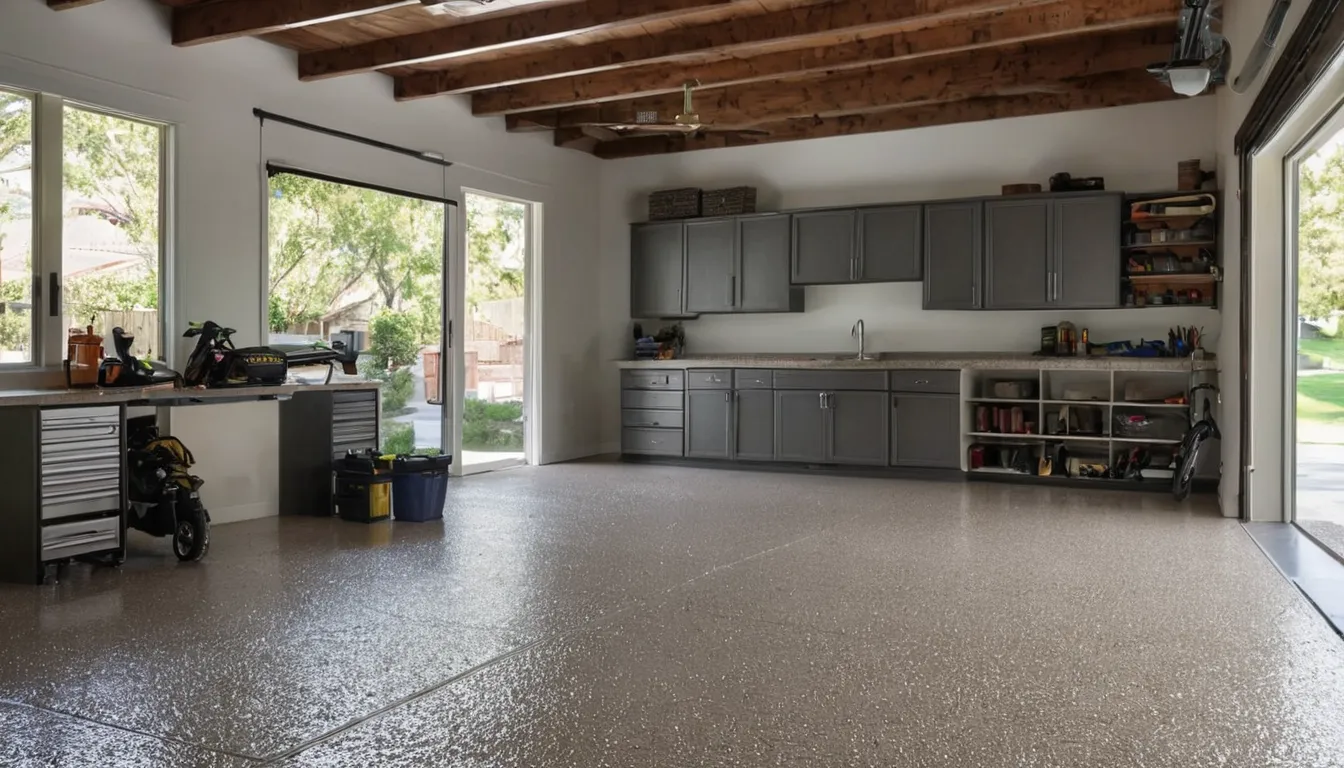
A worn garage floor needs more than a fresh surface. Old paint, oily patches, damp spots, and earlier repairs can affect how a polyaspartic coating bonds. Considerablesimple Floor Coating connects homeowners in Pearland with independent local providers who assess these conditions and explain the preparation needed. The provider handles the inspection, product choice, surface work, and application. Our role is to help you start that conversation with useful questions.
Before choosing a flake blend, discuss how you use the space. Mention stored tools, laundry access, parked vehicles, and any water that enters during heavy rain. Ask for a written scope that separates preparation from coating and sets out each return-to-use stage. A clear plan helps you arrange household access without treating a fast-curing product as a promise about the whole project.
Tell the provider if your garage holds the only practical entrance, laundry area, or stored medical equipment. Arrange another route before work starts. Keep children and pets outside the work zone, and ask how the provider will manage dust, fumes, and access to adjoining rooms.
Request a callback to check provider availability and discuss access needs. Considerablesimple Floor Coating is a referral service; providers in our network assess and carry out the work.
Do not cover unexplained dampness just to keep a project moving. Note when it appears, whether rain makes it worse, and how long it remains visible. Share photos with the provider before the visit.
An older slab may need moisture testing and a closer look at drainage. A coating does not correct the source of water entry. If moisture exceeds the selected system's limits, the provider should explain what needs attention before application can proceed.
Polyaspartic coatings often have shorter working and curing windows than many epoxy products. Some also offer good resistance to sunlight-related color change. Those traits can suit a garage with an open door, but performance depends on the actual product and complete coating system.
Fast curing leaves less time to correct application mistakes. Ask how the provider selects products for your slab and conditions. Product labels matter more than broad claims about coating types.
A floor described as polyaspartic may use that material throughout, or only as a finish over another base coat. Neither description tells you whether the system suits your concrete.
Request the product names, purpose of each layer, and planned thickness. Ask why the proposed base coat fits the slab's moisture readings and surface condition. The written scope should identify repairs, decorative flakes, and any traction additive rather than grouping everything under one coating label.
Past patching can hide weak edges or materials that do not bond well with a new coating. Paint may conceal cracks. Oil can reach below the visible surface.
Point out repairs you know about, even if they look sound. Do not scrape or grind unidentified old flooring, adhesive, or paint yourself. Ask whether it needs assessment before disturbance. The provider should explain which defects can be prepared for coating and which need separate attention.
The provider typically removes unsuitable coatings and prepares the concrete to the texture required by the selected system. That may involve mechanical grinding, dust extraction, cleaning, and compatible repairs.
Ask how the provider will protect door seals, adjoining rooms, and stored belongings. Cracks and joints need separate decisions: some can be repaired, while moving joints may need to remain functional. Request an explanation of what could stay visible after coating instead of assuming every line will disappear.
Once products are mixed, the provider has a limited period to spread them correctly. Temperature and product choice affect that window. Keep the agreed work area clear so application does not compete with moving boxes or finding access to outlets.
Successive coats also have specified timing requirements. Ask what happens if conditions interrupt the work or a coating window is missed. The answer should follow the product instructions and explain any additional preparation needed.
A surface that feels dry may still need more curing before it can handle tires, shelving, or spills. Ask for separate instructions for walking, moving belongings, parking, and cleaning.
Have the provider put those stages in writing using the selected product's guidance and actual site conditions. Do not test readiness by dragging a heavy item across the finish. If weather changes the schedule, confirm revised access instructions before using the floor.
Hot, humid summers can affect application conditions. Heavy downpours may bring damp air or water into a garage, even when the slab looked dry during an earlier visit.
Ask how the provider checks slab temperature, humidity, and condensation risk. Mild winter weather does not remove the need for those checks, and an unusual cold spell may change the plan. Keep rainwater away from the work area without blocking ventilation required for the products being used.
Garages, workshops, and suitable covered utility spaces may benefit from a polyaspartic system. Suitability depends on the substrate, exposure, and intended use. Ask specifically about outdoor suitability where sunlight and rain reach the floor.
For custom floor finishes, review a physical flake sample if available. Discuss texture before color: wet shoes and tracked-in rain can make traction important. More texture can also change cleaning needs. Ask how the proposed finish balances both concerns.
Use the provider's cleaning instructions. Remove grit, wipe up spills promptly, and avoid cleaners or tools the coating manufacturer advises against. Place suitable protection beneath heavy items before moving them.
Before accepting a quote, confirm preparation, layer names, joint treatment, access stages, and care instructions. Use the request form to share photos and seek an estimate from a local provider.
Discuss damp patches, worn concrete, old paint, and earlier repairs before choosing a coating system.
Ask the provider to identify each product and explain its role in the proposed coating system.
Plan household routes and storage around preparation, application, curing, and the provider's instructions for returning vehicles.
Compare flake blends, surface texture, and cleaning needs with the provider before deciding.
These broad, typical U.S. planning ranges vary by floor condition, size, product, and local labor. Some items overlap within a package. Ask the provider for a written quote showing included preparation, repairs, layers, and any separate charges.
| Item | Typical U.S. range | Notes |
|---|---|---|
| Installed polyaspartic coating system | $6–$12 per square foot | Preparation, layer count, and slab condition affect pricing. |
| 400-square-foot garage project | $2,400–$4,800 | Illustrative total; extensive repairs may add charges. |
| Existing coating removal | $1–$3 per square foot | May be included; thickness and adhesion affect labor. |
| Limited crack and patch repairs | $200–$800 | Extent and repair method matter; structural work is separate. |
| Additional moisture-control treatment | $2–$5 per square foot | Only if testing supports a compatible treatment. |
| Decorative flake upgrade | $1–$2 per square foot | Some coating packages already include flakes. |
Share its approximate size, existing finish, visible damage, damp areas, and any repairs you know about.
A local provider explains assessment needs and discusses whether the proposed coating suits your slab.
Check preparation, repair allowances, coating layers, payment terms, and household access before deciding.
Arrange storage and access, then follow the provider's written guidance for curing and using the floor.
Our guidance encourages questions about hidden moisture, worn surfaces, and past repairs before you commit to coating.
Considerablesimple Floor Coating handles referrals; the independent provider evaluates your floor, quotes the project, and performs the work.
Start discussions with useful details about household access, water entry, stored belongings, and your floor's history.
Request a defined scope and return-to-use instructions so each project stage has clear boundaries.
Tell us about your floor, its condition, and your plans. Request a callback to check provider availability, or use the request form.
No obligationPearland Webster Friendswood Aldine Channelview Stafford La Marque South Houston Manvel
Tell us about your floor, its condition, and your plans. Request a callback to check provider availability, or use the request form.
No obligation