Need epoxy garage floors services in Pearland?
Tell us about your floor, its condition, and your plans. Request a callback to check provider availability, or use the request form.
No obligationEpoxy floor coating connections in Pearland
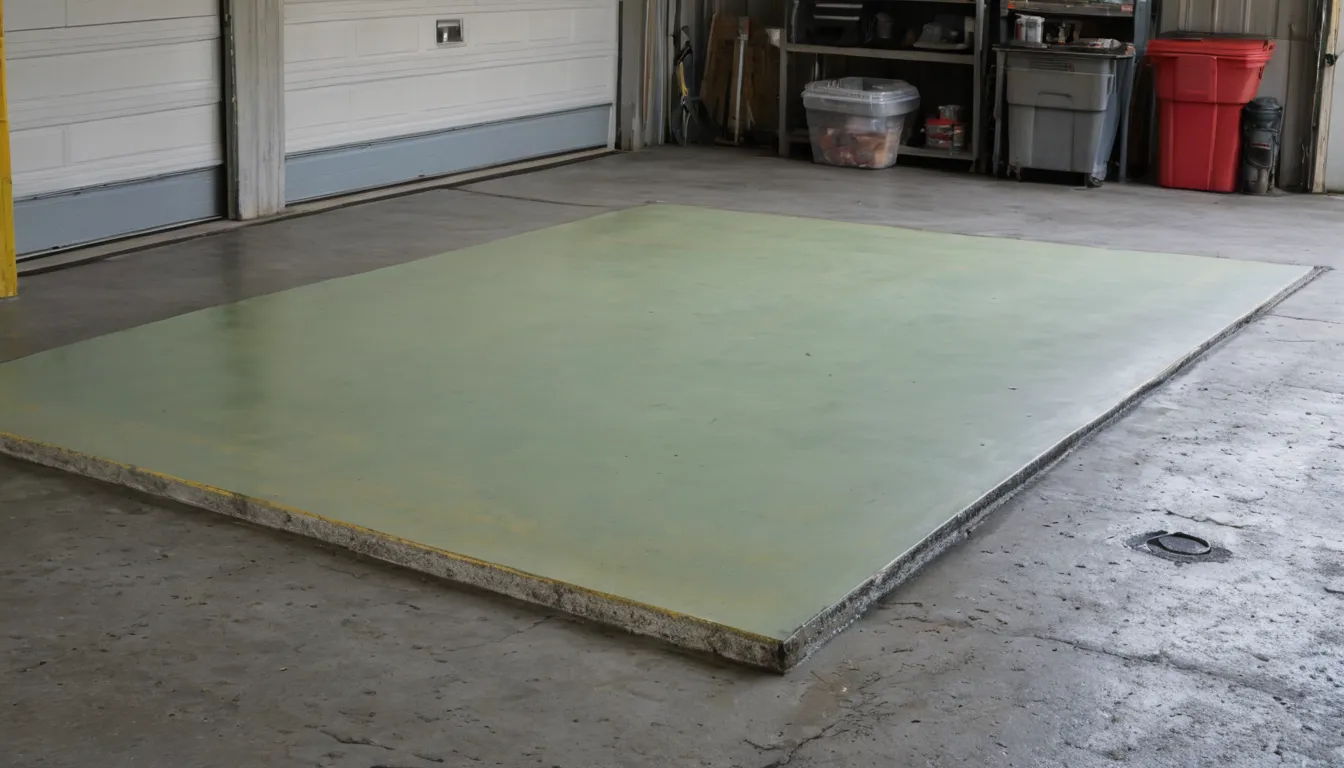
An older garage floor can hold clues beneath tire marks, peeling paint, and patched cracks. Some marks are surface wear. Others may point to moisture, weak concrete, or a repair that needs another look. Considerablesimple Floor Coating connects homeowners in Pearland with independent local providers for epoxy garage floors. The provider evaluates the slab, explains suitable options, and handles any agreed work. Start by describing loose areas, damp spots, and changes you have noticed after rain.
A useful project plan covers more than the finished color. Ask how the provider would prepare old concrete, manage dust, protect nearby belongings, and schedule each return to use. Hot, humid weather can affect application conditions and curing. Request a written scope that separates preparation, repairs, coating layers, and access restrictions. That gives you a clearer basis for deciding whether the proposed work fits your garage.
If your garage floor is flaking, slick, or damp, keep people away from the affected patch until you understand it. Move stored items only when you can do so safely. Do not hide a wet area beneath mats or apply a coating over it. Request a callback to check provider availability and describe what changed. Considerablesimple Floor Coating makes referrals; the independent provider assesses the floor and proposes the work.
During the first few hours after noticing a problem, take photos from a safe position. Note whether dampness followed a downpour, a parked vehicle, or a spill. Over the next several days, record whether the patch dries or returns. You do not need to diagnose it. These details help the provider decide what to examine and whether coating should wait while a moisture source is addressed.
Older garages often have several layers of change: paint from a past project, filled cracks, oil stains, or a converted storage corner. Tell the provider what you know and mark what is uncertain. Do not scrape, sand, or grind an unidentified old coating yourself. Ask whether any existing material needs identification before disturbance. Raised edges, widening cracks, and uneven sections also deserve discussion before cosmetic decisions.
Concrete that looks dry may still have moisture moving through it. Ask which moisture tests the proposed epoxy system requires and how the findings affect the plan. A check after humid weather or heavy rain may raise different questions from a dry afternoon visit. The provider should explain any limits of the testing. If readings fall outside the product requirements, discuss the next step before approving application.
Epoxy needs a suitable surface to bond to. Cleaning alone may leave old sealers, weak concrete, or oily residue behind. Ask the provider how they will prepare the slab and manage dust near doors into the house. Request details about removing unsuitable layers, treating contamination, and repairing damaged areas. A written concrete coating scope should describe the preparation method, rather than simply promising a clean floor.
Not every line in a garage floor should receive the same treatment. Some are cracks; others are joints intended to allow movement. Ask which areas the provider would repair and which joints must remain functional. Existing patches also need checking for soundness and compatibility. A coating does not correct an underlying movement problem. If the slab needs further assessment, settle that question before choosing the finish.
Epoxy garage floors can have a plain color, decorative flakes, or other custom floor finishes. Ask what each proposed layer does and why it suits your slab. Appearance is only part of the choice. Wet shoes, tracked dirt, workbench use, and tire traffic affect what feels practical. Discuss texture using a sample if available. More texture can help footing, but it can also change cleaning needs.
Sunlight reaches farther into some garages than homeowners expect. Certain epoxy finishes can change color with exposure. Ask how the proposed system handles the area near the open door and whether a compatible protective topcoat is included. Also discuss resistance to common garage spills and tire contact. Get the product names in writing so you can compare the proposed system with its stated uses and care instructions.
Decide where vehicles, bins, tools, and appliances will go while the garage is unavailable. Keep another safe route into the house, especially if someone uses a mobility aid. Ask who moves heavy items and whether anything needs professional disconnection. Discuss dust control, ventilation, and access around the work area. Children and pets need a clear boundary through preparation, application, and the required curing period.
The first work stage may reveal weak patches or hidden layers that were not visible during the estimate. Repairs can add another pause before coating begins. Each coating layer then has its own application and curing requirements. Temperature, humidity, and slab condition can change the schedule. Ask the provider to identify these decision points and explain how you will learn about any change before the next stage starts.
A surface that looks finished may not be ready for a vehicle. Ask for separate instructions covering foot traffic, storage, heavy equipment, and parking. Do not use appearance or touch as your only test. Keep the provider's written guidance where everyone in the household can see it. If weather conditions change during the project, confirm whether the return dates need to change too.
Once the floor is ready for use, remove grit regularly and clean spills using the product's care guidance. Ask which cleaners, brushes, and mats are suitable. Avoid experimenting with harsh chemicals on a new finish. Photograph any lifting edge, blister, or returning damp patch and contact the provider before covering it. Keep the original scope and product details together so later repair discussions start with useful information.
Before deciding, ask what preparation, crack treatment, coating layers, and cleanup are included. Confirm who handles unexpected slab problems and how extra work is approved. Providers in our network set their own availability, pricing, and project terms. Use the request form if you prefer to share your garage details in writing. Your estimate should help you understand both the finished floor and the steps needed to reach it.
Discuss worn concrete, old paint, damp patches, and previous repairs with a local provider.
Ask how the provider plans to prepare the slab and contain dust around nearby household spaces.
Compare color, texture, and protective layers against parking habits, sunlight, spills, and routine cleaning needs.
Clarify when walking, stored belongings, and vehicles can return under the chosen product's instructions.
These typical U.S. planning ranges vary by floor size, surface condition, preparation, and coating system. Some items overlap or are included in a project total. Ask the provider for a written quote showing inclusions before comparing prices or approving work.
| Item | Typical U.S. range | Notes |
|---|---|---|
| Installed epoxy garage floor | $4–$12 per square foot | Preparation needs and system layers affect pricing. |
| Garage project covering 400–500 square feet | $1,600–$6,000 | Illustrative total; extensive slab repairs can add expense. |
| Mechanical surface preparation | $1–$3 per square foot | Often included in the installed price. |
| Existing coating removal | $1–$4 per square foot | Layer thickness and adhesion affect the work. |
| Minor crack and patch repairs | $150–$750 | Limited repairs; larger slab problems need separate assessment. |
| Compatible protective topcoat | $1–$3 per square foot | May already be included in the proposed system. |
Share the approximate size, visible damage, existing coatings, and any dampness you notice after wet weather.
Considerablesimple Floor Coating helps connect you with an independent local provider to discuss your epoxy project.
Ask the provider to explain slab preparation, repair needs, coating layers, and access restrictions.
Review the provider's written quote and scope, then agree on project arrangements directly with that provider.
Considerablesimple Floor Coating handles the referral step; your chosen independent provider evaluates the slab and performs agreed project work.
Project guidance puts worn slabs, uncertain coatings, and past repairs into the conversation early.
Practical prompts help you discuss moisture, household access, and preparation before selecting a finish.
Request a scope that explains included work, possible changes, and the provider's return to use instructions.
Tell us about your floor, its condition, and your plans. Request a callback to check provider availability, or use the request form.
No obligationPearland Webster Friendswood Aldine Channelview Stafford La Marque South Houston Manvel
Tell us about your floor, its condition, and your plans. Request a callback to check provider availability, or use the request form.
No obligation